A Cozy Self-Care Routine Rooted in Slow Living
There is a version of self-care that looks polished and performative.
Perfect routines. Matching sets. Long to-do lists labeled as “rituals.”
And then there is the kind of self-care that actually sustains you.
The kind that unfolds quietly in the background of your day.
The kind that feels like warmth, steadiness, and being gently held by your own life.
At Oak & Sage, we think of self-care not as something you add to your schedule, but something you weave into the way you live. A rhythm. A softness. A way of moving through your home and your hours with a little more presence and ease.
Self-Care as a Way of Living, Not a Project
True self-care does not need to be elaborate to be meaningful.
It can be:
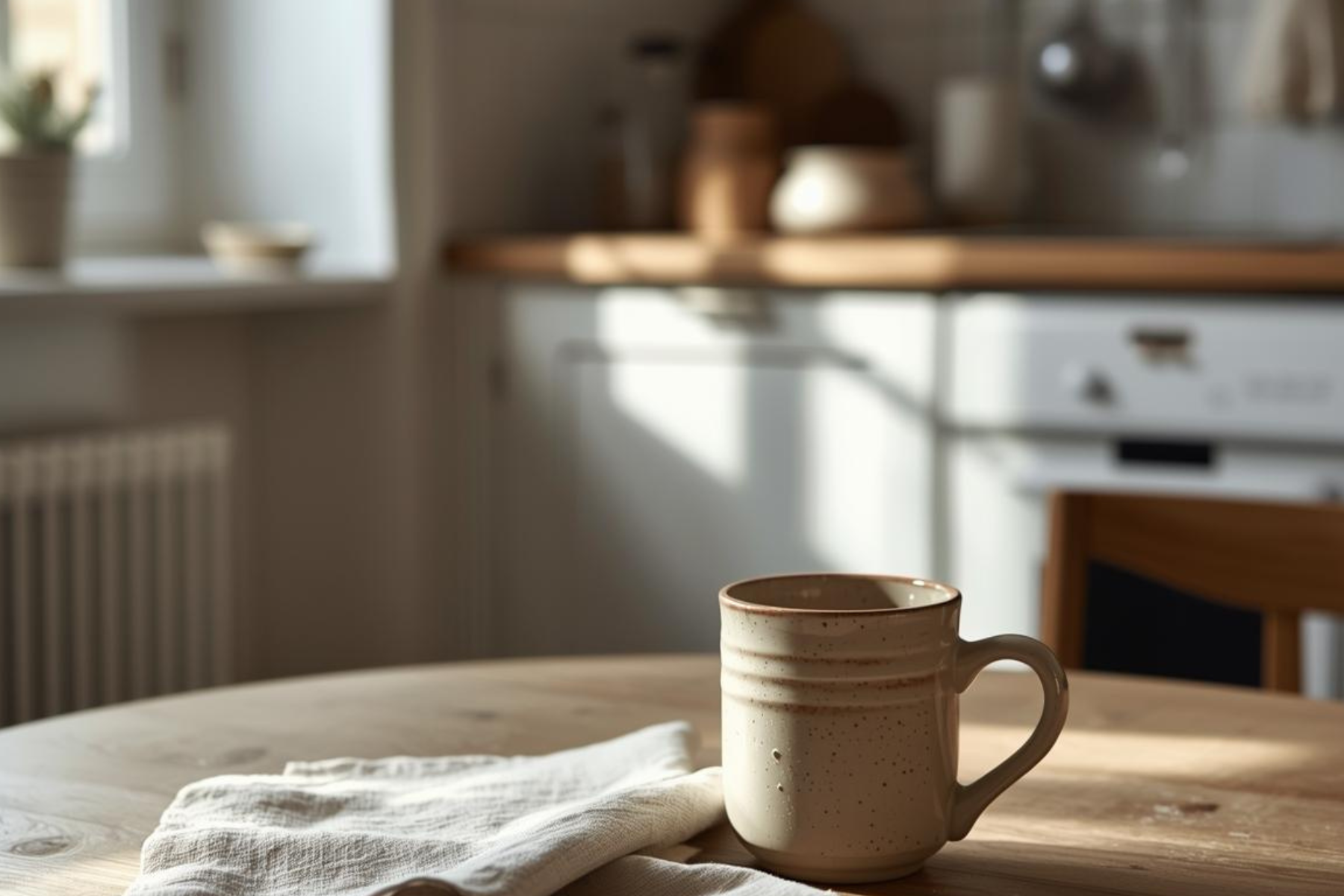
the way morning light enters your kitchen
the mug you reach for every day
the quiet you protect in the evening
the way your home invites you to slow down
When life feels busy or noisy, it is often these small, repeated comforts that bring the greatest sense of calm.
Creating a Cozy Daily Self-Care Rhythm at Home
Rather than a rigid routine, think in terms of gentle anchors that shape your day.
Morning: Beginning Slowly
Morning self-care is not about productivity.
It is about easing into the day instead of rushing into it.
This might look like:
opening the curtains and letting in natural light
enjoying a warm drink in your favorite cup
preparing a simple breakfast without distractions
sitting quietly for a few minutes before the world begins asking things of you
A slow morning sets the tone for everything that follows.
Afternoon: A Soft Reset
Midday is often when energy dips and the mind feels full.
A small pause can change the entire feel of the day:
stepping outside for fresh air
tidying one small space
stretching or walking gently
enjoying lunch without scrolling
These moments of presence act like a quiet exhale in the middle of your day.
Evening: Creating a Sense of Safety and Rest
Evenings are when the body and home begin to settle together.
Cozy self-care in the evening might include:
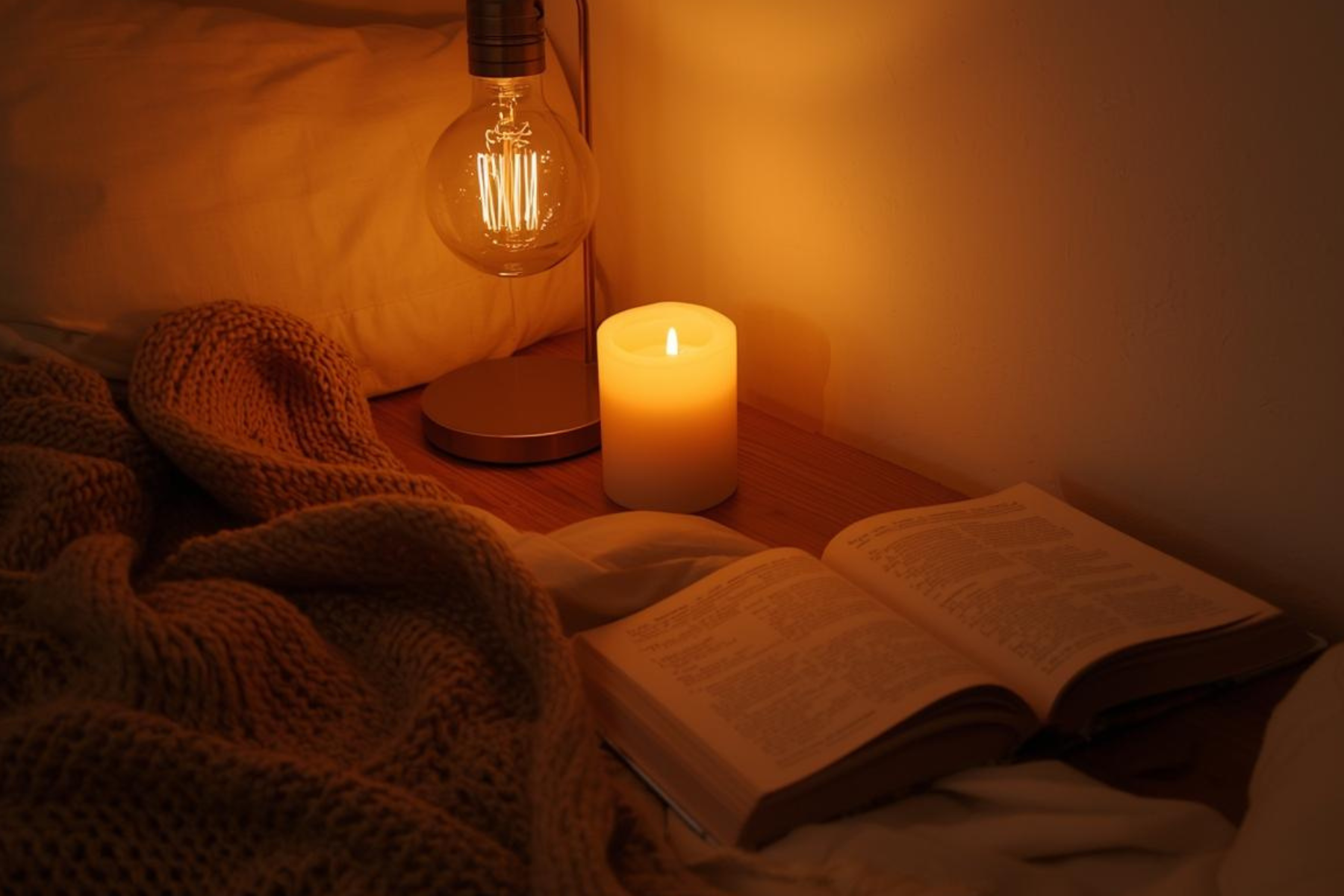
lowering the lights
lighting a candle or turning on a warm lamp
changing into comfortable clothes
reading, journaling, or simply sitting in silence
Your home becomes a signal to your nervous system that it is safe to rest.
Let the Seasons Shape Your Self-Care
Slow living honors the natural rhythm of the year.
In winter, self-care may look like:
warm soups
early nights
heavier blankets
candlelight
In summer, it may be:
open windows
light meals
evening walks
long, golden light
Allowing your routines to shift with the seasons brings a sense of harmony that rigid schedules never can.
Releasing the Need to “Do It Right”
Self-care is not about perfection.
Your home does not need to look like a magazine.
Your routines do not need to be aesthetic or consistent every day.
They only need to feel supportive.
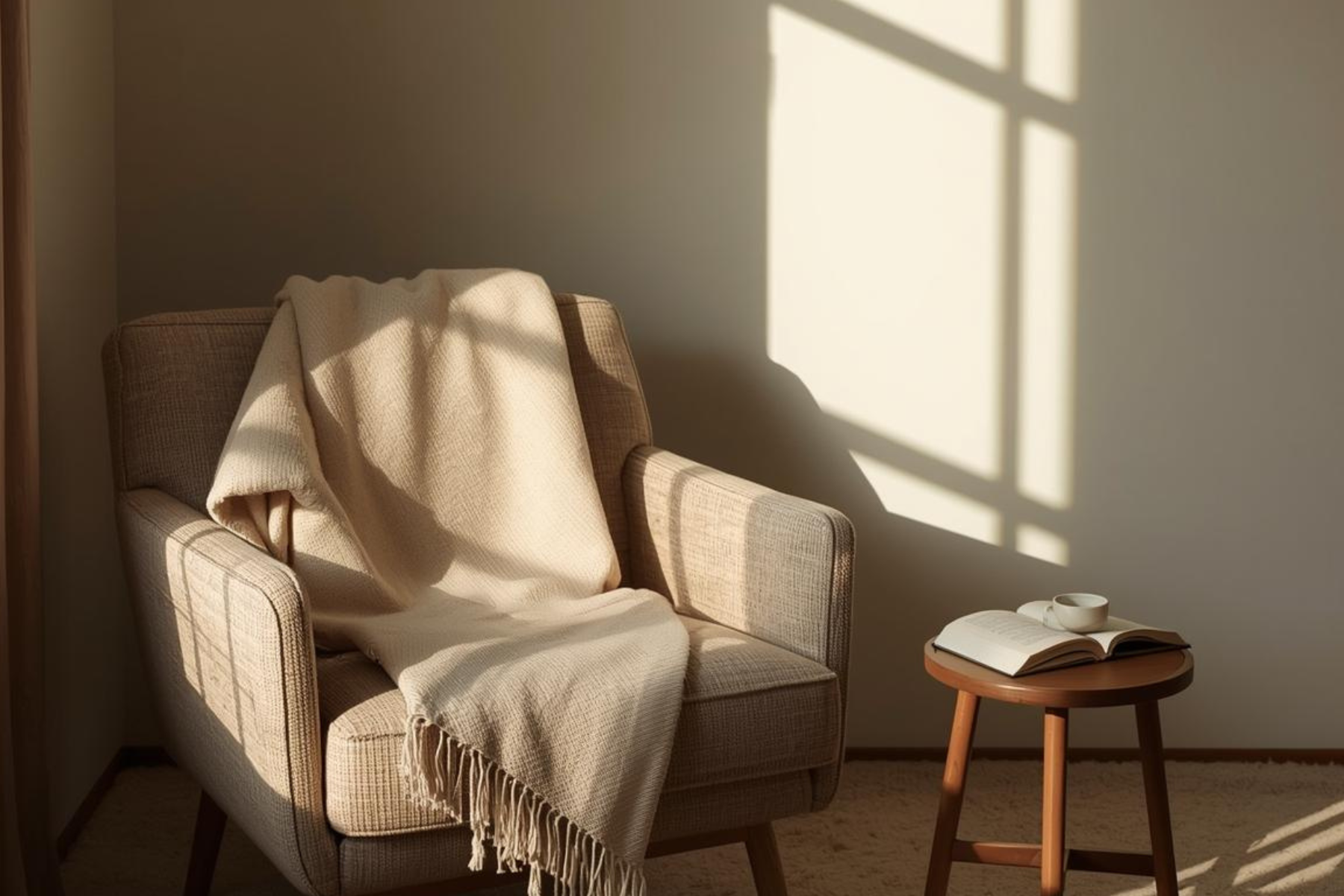
A blanket left on the chair.
A book half-read.
A teacup on the counter.
These are signs of a life being lived gently, not imperfectly.
When Home Becomes Your Sanctuary
The most meaningful self-care often comes from how safe and welcome you feel in your own space.
It is the comfort of familiar objects.
The steadiness of simple rituals.
The permission to rest without earning it.
When you allow your home and your days to move at a human pace, self-care stops being something you schedule and becomes something you live.
Self-care does not need to be dramatic or transformative to be powerful.
Sometimes it is simply:
a warm room,
a quiet moment,
and the feeling that, for now, you are exactly where you need to be.
xx, Diana
